

Tools
Available in
English
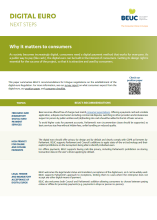
As society becomes increasingly digital, consumers need a digital payment method that works for everyone. As a public way to pay (like cash), the digital euro can be built in the interest of consumers. Getting its design right is essential for the success of the project, so that it is attractive and used by consumers.
Tools
Available in
English
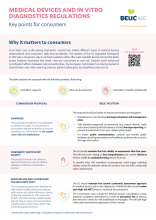
From basic care to life-saving treatments, around two million different types of medical devices shape patient and consumers’ daily lives worldwide. The revision of the EU legislative framework in 2017 was a necessary step to enhance patient safety after past scandals across Europe like faulty breast implants illustrated that weak rules put consumers at real risk. Despite some enhanced coordination efforts between national authorities, the European Commission’s current proposal to amend these rules risks reversing previous patient safety gains by simplifying rules too far.
Tools
Available in
English
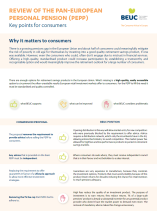
There is a growing pensions gap in the European Union and about half of consumers could meaningfully mitigate the risk of poverty in old age for themselves by investing into a good quality retirement savings product, if one was available. However, even the consumers who could, often don’t engage due to mistrust in financial services. Offering a high-quality, standardised product could increase participation by establishing a trustworthy and recognisable option and would meaningfully improve the retirement outlook for a large number of consumers.